Understanding Trezor Login: A Complete Guide
In today’s digital economy, safeguarding cryptocurrencies has become more crucial than ever. While online wallets offer convenience, they also expose users to potential hacking and phishing threats. That’s where Trezor, one of the leading hardware wallets, comes in. Known for its unmatched security and user control, Trezor provides an offline environment for storing and managing crypto assets. This article explores every detail of the Trezor login process—how it works, why it’s secure, and how to troubleshoot common issues.
What Is Trezor?
Trezor is a hardware wallet designed to keep private keys secure by storing them offline. Developed by SatoshiLabs, it was one of the first cold wallets on the market. Unlike a software wallet, Trezor functions independently of your computer or mobile device, reducing exposure to malware and viruses. Because Trezor doesn’t connect directly to the internet for key access, your cryptocurrencies remain safe even if your computer is compromised.
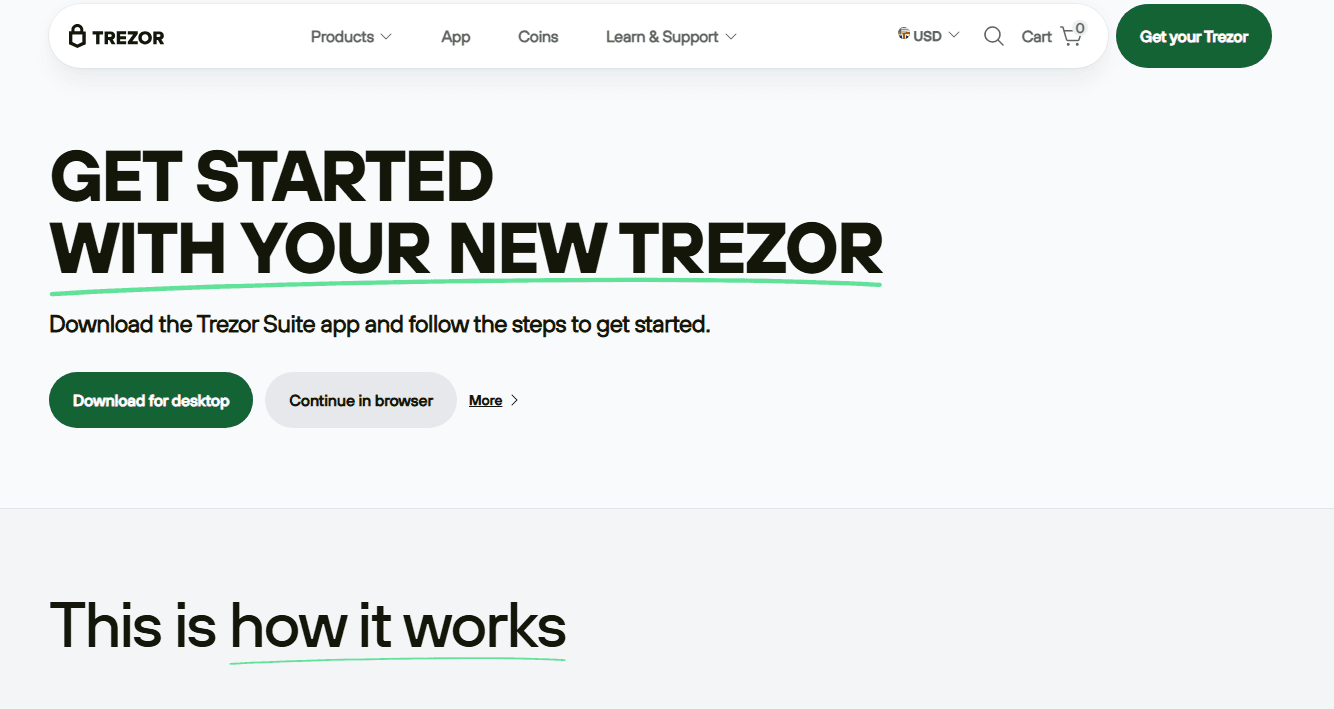
The Trezor device resembles a compact USB drive with a simple interface. It connects to your computer via a cable and interacts with the Trezor Suite — a dedicated software dashboard that helps you manage assets, check balances, make transactions, and control security settings.
The Purpose of Trezor Login
The Trezor login process isn’t about entering a traditional username and password; instead, it’s about authenticating yourself using the hardware device and cryptographic verification. When you connect your Trezor to a system, the device ensures your identity by generating a secure access token and requiring physical confirmation through button presses on the device itself.
This form of multi-factor authentication protects your account from phishing attempts and keylogging attacks. No one can log into your Trezor Suite account or access your crypto without the physical device, the PIN, and in some cases, a passphrase.
How Trezor Login Works
Logging into your Trezor wallet involves a combination of physical and digital verification steps. Here’s a breakdown of how the process works:
Connecting the Device:
Plug your Trezor wallet (such as the Trezor One or Trezor Model T) into your computer via USB.Launching the Interface:
Open the Trezor Suite app on your computer. This software automatically detects when a device is connected.Device Verification:
Once connected, Trezor Suite establishes a secure bridge between your hardware wallet and your computer. You’ll then be prompted to unlock your device.Entering the PIN:
Trezor requires a unique PIN every time you log in. The device displays a randomized grid of numbers, and you use your computer’s corresponding pattern to input the code. This randomized layout ensures that even if someone is watching your screen, they can’t replicate your PIN.Optional Passphrase:
For advanced users, Trezor offers an optional passphrase feature. Each passphrase generates an entirely different wallet set, adding another layer of encryption. Even if someone gets your recovery seed, they can’t access your funds without this passphrase.Accessing Trezor Suite:
Once verified, Trezor Suite grants you full control to view balances, send or receive crypto, swap coins, and adjust settings.
Key Features of Trezor Login Security
Trezor’s login mechanism is admired for its multi-layered security model designed to prevent unauthorized access under all circumstances. Below are some of the core security features that make the login process highly reliable:
Offline Private Key Storage:
Private keys never leave the device, meaning even during login, your keys remain isolated from internet exposure.Two-Factor Hardware Authentication:
Any login or transaction needs both software and hardware confirmation, making remote hacks virtually impossible.PIN Protection:
After several incorrect attempts, Trezor wipes itself clean, preventing brute-force attacks.Passphrase Option:
A strong optional passphrase ensures additional wallet protection. It’s often described as a “second-factor seed.”Firmware Verification:
During login, the Trezor device checks for authorized firmware. This prevents attackers from installing malicious update versions.User Confirmation Buttons:
Every login and transaction must be confirmed manually on the physical device. This ensures no malicious scripts can proceed without user consent.
Setting up Your Trezor for the First Time
If you’ve just purchased a Trezor, the setup process is straightforward. Follow these steps to create a secure environment before logging in for the first time:
Unbox and Verify Authenticity:
Ensure the packaging is sealed. Trezor devices come with tamper-proof stickers.Connect to Your Device:
Plug it into your computer and launch Trezor Suite.Install Firmware (if prompted):
Some new devices come without pre-installed firmware. Download and install the official version via Trezor Suite.Create a New Wallet:
Choose “Create new wallet” and follow on-screen prompts.Write Down Your Recovery Seed:
The wallet generates a 12- or 24-word recovery seed. Write it down on paper and keep it offline. Never take screenshots.Set Your PIN and Optional Passphrase:
Choose a secure PIN, and if desired, activate a passphrase for advanced protection.
After setup, your device is ready for secure access via the Trezor login process described earlier.
Trezor Login on Different Devices
The process of logging into your Trezor wallet varies slightly depending on whether you use a desktop, laptop, or mobile device.
Desktop Login:
Use the full version of Trezor Suite on Windows, macOS, or Linux. It offers the most complete range of features.Web Access (Legacy):
Older versions used browser extensions, but modern Trezor Suite replaces these for better security and performance.Mobile Access:
Some versions, especially when combined with OTG cables or mobile apps, allow viewing balances and limited management via Android.
Troubleshooting Common Login Issues
While Trezor devices are reliable, users may sometimes encounter login difficulties. Below are common troubleshooting tips:
Device Not Detecting:
Ensure your USB cable is properly connected. Try a different port or cable. Reboot both your Trezor and computer.Incorrect PIN Warning:
Remember that Trezor randomizes the PIN grid with each attempt. Double-check alignment before re-entering.Firmware Mismatch:
If your Trezor Suite shows an error, update the firmware after confirming authenticity through your device.Browser Interference (for older models):
Disable browser extensions or switch to the desktop Suite for smoother connection.Bridge Issues:
If your computer cannot communicate with the device, reinstall the Trezor Bridge software that enables direct communication.Lost Device:
Use your recovery seed on a new Trezor or compatible wallet to restore access. Without the seed, funds cannot be retrieved—one of the trade-offs for strong security.
Best Practices for a Secure Login Experience
To maximize safety when using Trezor, apply these best habits:
Keep your recovery seed offline at all times.
Avoid entering your PIN or passphrase on unfamiliar computers.
Regularly check your device’s firmware authenticity through Trezor Suite.
Never share your recovery phrase with anyone, no matter how legitimate a request appears.
Store your Trezor in a secure, dry, temperature-controlled place away from prying eyes.
Consider setting a strong passphrase to enhance privacy for sensitive holdings.
Use official software only—avoid third-party wallet interfaces unless recognized by Trezor.
Why Trezor Login is Safer Than Traditional Passwords
Conventional login systems rely on stored credentials—usernames and passwords—that can be stolen, phished, or compromised in data breaches. Trezor replaces this concept with hardware-based cryptographic authentication, making unauthorized access nearly impossible without the device itself.
Because transactions require manual confirmation on a physical unit, even advanced phishing sites can’t trick users into approving malicious transfers. This zero-trust design makes Trezor one of the most secure login environments available for digital assets.
Final Thoughts
The Trezor login process stands as a benchmark for crypto security—blending ease of access with powerful hardware-based protection. Whether you hold Bitcoin, Ethereum, or hundreds of other supported coins, logging in via Trezor ensures complete control of your private keys while minimizing exposure to online risks. By understanding each step—from setup to daily use—you can make the most of the system’s layered defenses.
Owning a Trezor isn’t just about storing crypto; it’s about gaining peace of mind. In an industry where security breaches occur regularly, having a trustworthy hardware wallet and a secure login process can make all the difference. Treat your device, PIN, and recovery seed as irreplaceable assets, because ultimately, they are the keys to your digital future.